
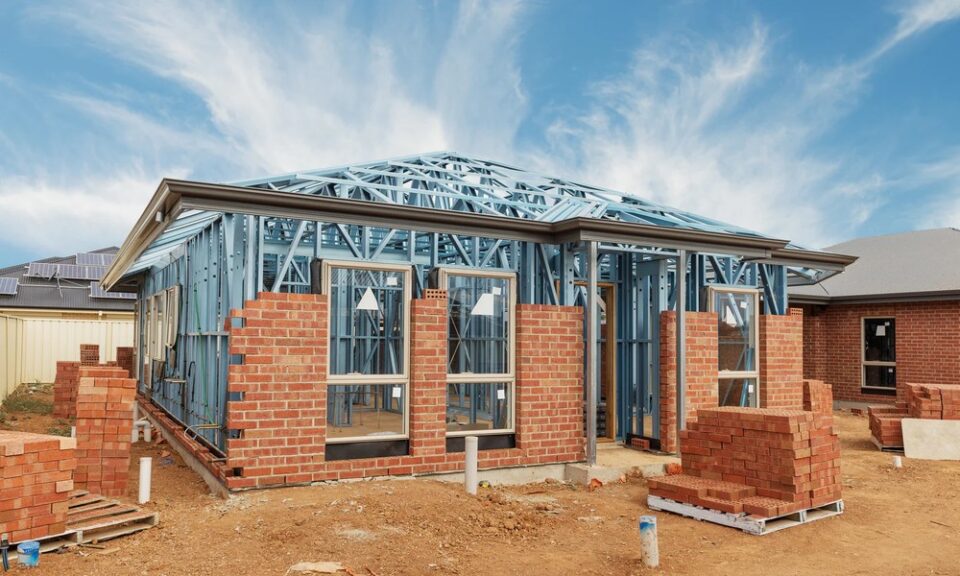
Modern construction decisions often depend on durability and long-term value rather than quick results. Builders and planners look for systems that reduce maintenance while improving structural strength. Many turn to Steel House frames Rockhampton when comparing reliable framing options for long-term use. Clear evaluation is important because unplanned choices can lead to weak performance and added cost. People usually search for simple explanations about benefits and practical use. Identifying business advantages using steel house frames Rockhampton building solutions helps create a clear path for better outcomes.
Controlled evaluation improves construction planning
A planned approach helps compare options and avoid uncertain decisions. It ensures that each step supports strength and long-term reliability.
· Assess structural load capacity before selecting a framing system for a building
· Evaluate material resistance against moisture pressure and external environmental conditions
· Review the installation process to ensure accurate alignment and stability support
· Plan a maintenance schedule to maintain structural integrity over extended usage
A structured process reduces risk and improves predictable results.
Material strength supports long-lasting performance.
Strong materials help buildings remain stable over time. Steel framing provides consistent strength compared to traditional materials. It resists bending and maintains shape under pressure. Weak materials may lead to gradual structural issues.
Resistance properties improve structural reliability
Resistance to moisture and pests plays a major role in long-term use. Steel structures are less affected by external factors that damage traditional materials.
· Corrosion-resistant coating improves durability in varying environmental conditions
· Non-organic material prevents damage caused by pests or decay
These properties reduce maintenance needs and improve lifespan.
Installation accuracy affects structural alignment
Precise installation ensures that all components fit correctly. It supports balance and reduces stress on joints.
· Proper measurement ensures accurate placement and reduces alignment errors
· Secure fastening improves connection strength and long-term stability
Incorrect installation can lead to an uneven structure and future repair needs.
Cost efficiency supports long term value
Initial cost may appear higher, but long-term savings are significant. Reduced maintenance and fewer repairs improve overall value. Poor planning can increase hidden costs over time.
Design flexibility allows adaptable layouts
Flexible design options help adjust layouts based on changing needs. Steel frames support modifications without major structural changes. This flexibility improves usability in different conditions.
Prefabricated frame method for faster assembly
Prefabricated components are manufactured before installation. They reduce construction time and improve accuracy. In real conditions, this method supports quick setup, though transport and handling must be managed carefully.
Reinforced structure method for heavy load support
Reinforced framing increases the strength of buildings that handle higher loads. It distributes weight evenly and prevents stress points. When using Steel House frames Rockhampton, this method ensures stability, but it may increase material cost.
Modular framing approach for scalable construction
Modular framing allows sections to be added over time. It supports gradual expansion without major redesign. This approach works well in growing projects, though connection points must be carefully managed.
Hybrid construction method for balanced performance
Combining steel framing with other materials creates balanced performance. It improves strength while allowing design variation. This method works well in mixed requirements, though coordination between materials can be complex.
Stepwise process for selecting a framing system
· Define project needs and expected load requirements clearly
· Compare material strength and resistance properties before selection
· Evaluate installation requirements and alignment accuracy for stability
· Review long term maintenance needs and cost efficiency factors
· Monitor structural performance after installation for continuous improvement
Practical approach for stronger building outcomes
Careful evaluation leads to better structural decisions and long-term value. Material choice and installation accuracy directly affect performance. Flexible design supports changing needs over time. Regular monitoring ensures consistent results. Practical planning creates reliable and efficient construction outcomes.
