
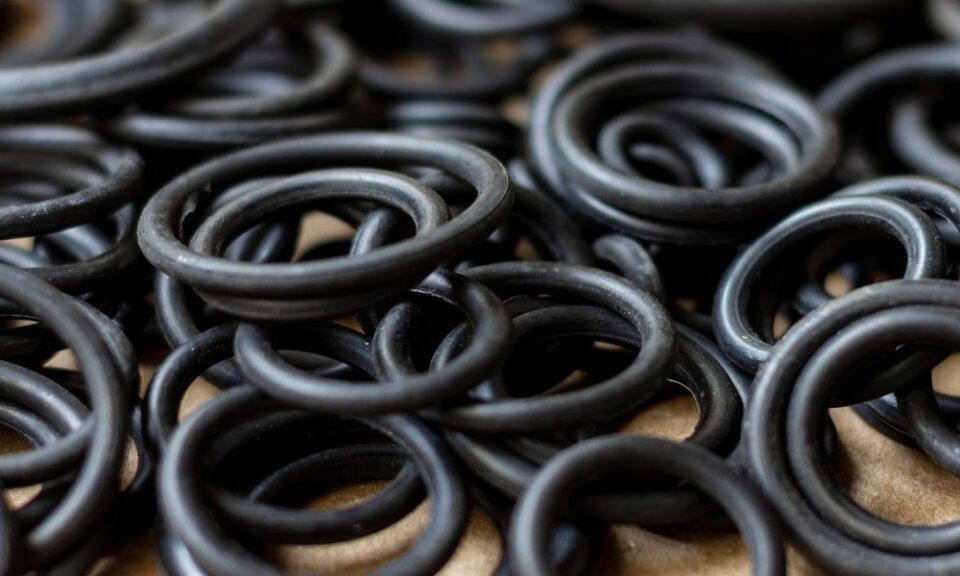
Materials used in demanding settings must handle stress without losing strength or shape. Rubber plays a key role in such environments where heat or cold can affect performance. Reliable compounds maintain structure while resisting cracking or softening under pressure. Stability across varied climates ensures longer usage without frequent replacement with High Consistency Rubber supporting consistent performance.
Cold Stability Control
Exposure to very low temperatures can make many materials rigid and prone to surface damage. This compound continues to stay flexible even in freezing conditions without losing its strength. Silicone within the composition supports smooth movement and reduces the risk of brittleness. Its structure stays intact without forming cracks over time.
Why Compression Recovery Matters
Constant force over time can reduce the effectiveness of many materials when they cannot return to their initial shape. This compound responds well after being compressed, restoring its form without lasting distortion. Silicone contributes to improved flexibility while helping maintain stable structure.
Environmental Stress Handling
Surrounding elements like moisture or air contact can affect how materials behave over time. This compound withstands those effects while preserving its original characteristics. Silicone supports protection against surface wear and slow decline in strength. Its structure stays steady even when exposed to changing conditions for long durations.
How Dimensional Stability Helps
Maintaining size and shape under changing temperatures is essential for consistent output. This compound resists expansion or contraction that may affect performance. Silicone supports structural balance during both high and low temperature exposure. The material holds its dimensions without distortion over time.
Where Practical Durability Applies
Balanced composition ensures consistent behavior under stress and varying conditions. Silicone improves resistance against environmental impact while maintaining flexibility. The compound performs without sudden failure during extended use. High Consistency Rubber supports stability in demanding applications.
- Maintains consistent shape under repeated pressure without surface damage issues
- Supports extended usage cycles without frequent repair or replacement needs
- Performs steadily in cold conditions without becoming brittle or fragile
- Resists environmental impact while maintaining flexibility during prolonged exposure
- Retains strength and structure during continuous mechanical stress cycles
Selecting the right compound improves durability in environments with extreme conditions. Its ability to maintain shape and flexibility supports long-lasting usage. Silicone plays a role in protecting the structure and reducing damage from stress. This combination helps maintain consistent output with fewer interruptions. Using such materials ensures dependable performance in challenging conditions.
FAQs
What helps this material remain stable during freezing temperature conditions consistently?
It maintains flexibility and prevents brittleness even under prolonged cold exposure.
How does this compound recover after repeated compression and mechanical stress cycles?
It regains its original shape quickly and resists permanent deformation during use.
Why is silicone included in this compound for better durability performance?
Silicone improves flexibility, stability, and resistance against environmental and thermal stress.
