
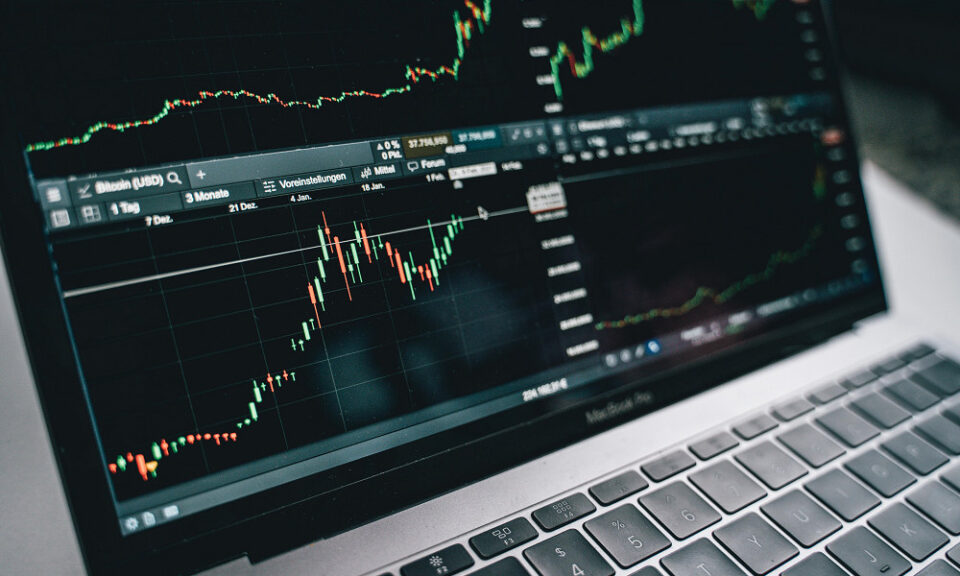
Markets reward patience when plans follow logic rather than impulse. Many people seek steady progress through price movements held for extended periods. This approach values planning, discipline, risk control, and patience. Beginners often ask what is forex trading while searching for reliable ways to grow funds. Success grows when goals remain realistic, strategies stay clear, and decisions stay calm across changing market phases.
How does long-view currency holding work?
This method focuses on holding trades for weeks or months based on strong trend signals. It avoids constant screen watching. Price direction matters more than minor swings. Traders study broad charts, economic factors, and interest changes. This approach suits people seeking stable growth without frequent action.
Why do patient traders prefer extended holding?
Extended holding lowers emotional pressure from quick moves. Fewer trades mean fewer mistakes. Costs from repeated entries drop naturally. Decisions rely on clear setups rather than noise. This style allows calm thinking and measured reactions. Patience supports steady account progress over time.
What role does analysis play in long holding?
Careful study guides every decision. Charts show trend strength, direction, and potential turning points. Economic data supports bias without rushing action. Combining these views builds confidence. Strong analysis reduces guesswork and improves consistency. Planned entries and exits protect capital during uncertainty.
How can risk stay controlled over long periods?
Risk control starts with position size planning. Smaller exposure protects funds during long swings. Stop limits guard against unexpected shifts. Capital protection stays a priority. One loss never harms the overall balance. Consistent limits support survival and growth through varied conditions.
What mindset supports steady currency growth?
Calm thinking matters more than excitement. Patience replaces the urge for fast gains. Discipline guides timing. Confidence grows from preparation. Losses become lessons rather than stress. A steady mindset keeps plans intact through market pauses and movements without panic.
How do trends guide trade decisions?
Trends reveal direction strength. Long upward or downward moves create opportunity. Traders align entries with the dominant flow. Counter moves get ignored. Trend following improves probability. Clear direction reduces confusion and supports holding trades longer without constant adjustments.
How much time commitment does this style need?
Time needs stay manageable. Weekly chart checks often suffice. Planning replaces constant watching. This suits busy schedules. Less screen exposure reduces fatigue. Focus stays on quality analysis rather than frequent execution pressure.
How can beginners start safely?
New participants should begin small. Demo practice builds confidence. Simple setups work best initially. Learning pace remains comfortable. Gradual exposure reduces fear. Over time, skills improve naturally without rushing capital into risky situations.
How do emotions affect long-term plans?
Emotions influence patience. Fear may trigger early exits. Greed may delay exits. Awareness helps control reactions. Written plans guide actions. Emotional balance protects strategy integrity during long waiting phases.
How does this approach differ from fast trading?
Fast methods chase small moves repeatedly. Long holding targets broader shifts. Fewer trades lower stress. Planning depth increases. Profit goals rely on trend length rather than speed. This difference suits those preferring calm, structured methods.
What simple habits improve consistency?
Daily notes strengthen discipline. Review plans regularly. Avoid impulsive actions. Respect limits always. Focus on process quality. Consistency grows through routine reflection rather than constant action.
How can charts stay simple?
Use basic tools only. Trend lines, moving averages, and support clarity. Avoid clutter. Simple views highlight direction. Clear charts support confidence. Simplicity reduces confusion during long holding decisions.
How does learning continue over time?
- Review closed trades monthly, identify strengths and gaps.
- Study price behavior during long trends patiently.
- Practice emotional control through reflection habits.
- Update strategies slowly after proven results.
- Remember what is forex trading while refining your understanding continuously.
Steady progress comes from calm planning, measured actions, and trust in analysis. Holding positions longer suits those valuing balance, safety, and foresight. By managing exposure, studying trends, and maintaining discipline, wealth building becomes achievable. Clear rules reduce stress. Patience rewards effort over time. Choosing thoughtful methods offers a reliable route toward consistent currency growth.
