
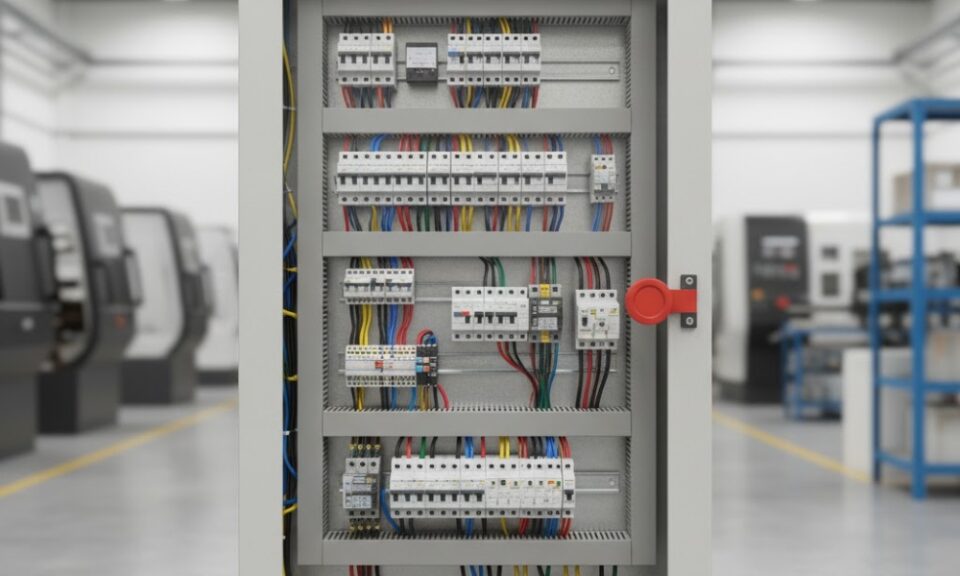
Reliable electrical control keeps large buildings running with a steady rhythm. Equipment rooms depend on organized routing that prevents overload while guiding energy through safe paths. Careful layout reduces sudden failure while supporting daily activity without interruption. Managers seek dependable hardware that handles pressure while keeping circuits balanced during long operating hours. Proper planning gives teams confidence that every section stays protected through structured distribution boards.
Structured Panel Layout Methods
A clear internal layout helps technicians trace connections without confusion during busy schedules. Logical placement of switches supports faster response when adjustment becomes necessary. Organized spacing lowers heat buildup while improving airflow around sensitive components. Clean structure also reduces wiring stress, which supports longer equipment life.
• Clear labeling improves recognition during urgent repair situations under pressure
• Balanced spacing lowers heat concentration within enclosed electrical sections safely
• Direct routing supports easier tracing during routine inspection tasks by staff
• Secure mounting prevents vibration damage during extended operation periods inside rooms
• Simple arrangement helps teams learn structure quickly without repeated instruction
Load Balance Control Design
Balanced energy sharing protects circuits from uneven strain that may cause shutdown. Thoughtful configuration spreads demand across channels so no single path carries excess burden. This method supports smoother operation during peak activity inside large complexes. Proper planning also reduces the risk tied to overheating within confined areas.
The system encourages steady movement of current through arranged channels. Engineers rely on accurate calculations to guide the safe placement of distribution boards. Careful alignment prevents repeated tripping that interrupts workflow. Stable sharing of demand supports consistent performance during long duty cycles.
Safety Shield Integration Approach
Protective barriers play a major role in preventing accidental contact with live sections. Insulated covers create separation that lowers risk for maintenance teams. Guarded access points support controlled entry during inspection routines. Secure shielding strengthens confidence across operational environments.
Thermal Control Management System
Heat regulation remains essential for preserving electrical reliability inside control hubs. Ventilation openings allow warm air to exit without trapping pressure. Smart placement of cooling paths supports natural circulation within enclosed cabinets. Reduced temperature stress extends the working life of internal parts.
• Directed airflow lowers temperature rise during heavy operational demand inside cabinets
• Open channel design supports passive cooling without additional mechanical equipment required
• Heat-resistant lining protects sensitive wiring from gradual thermal weakening effects
• Vent spacing encourages steady air exchange during prolonged energy transfer cycles
• Internal clearance allows safe expansion under rising temperature conditions consistently
Monitoring And Inspection Routine
Regular observation prevents hidden faults from growing into serious failure. Scheduled checks allow teams to spot loose links before breakdown occurs. Visible indicators guide a quick review without dismantling the entire structure. Consistent supervision supports predictable performance across working hours.
Upgrade Planning Strategy Framework
Forward-thinking design allows expansion without replacing the full arrangement. Modular sections give space for added circuits when demand increases. Flexible structure supports gradual improvement through planned phases. Adaptable planning protects investment during growth periods.
Reliable Operation Focus
Steady electrical guidance depends on an organized structure plus disciplined upkeep. Every section must support safe transfer while reducing strain on internal links. Careful arrangement paired with regular review forms a dependable backbone for busy facilities. Simple planning choices create durable infrastructure that protects equipment while supporting continuous activity.
FAQ
What purpose do structured electrical panels serve within large operational buildings?
They guide safe current routing while reducing overload risk inside facilities.
Why is heat regulation important inside enclosed electrical control cabinets?
Controlled temperature preserves wiring strength while preventing early component damage.
When should inspection routines occur for reliable electrical panel performance?
Regular checks should follow planned intervals to avoid sudden operational interruption.
